Autism assistance dog training is a specialised process designed to prepare dogs to support individuals on the autism spectrum. These remarkable dogs are trained to perform a variety of tasks that can significantly enhance the quality of life for both children and adults with autism. The training process often includes teaching the dogs to provide calming pressure during moments of anxiety, acting as a bridge in social interactions, and ensuring safety by preventing the individual from wandering into dangerous situations.
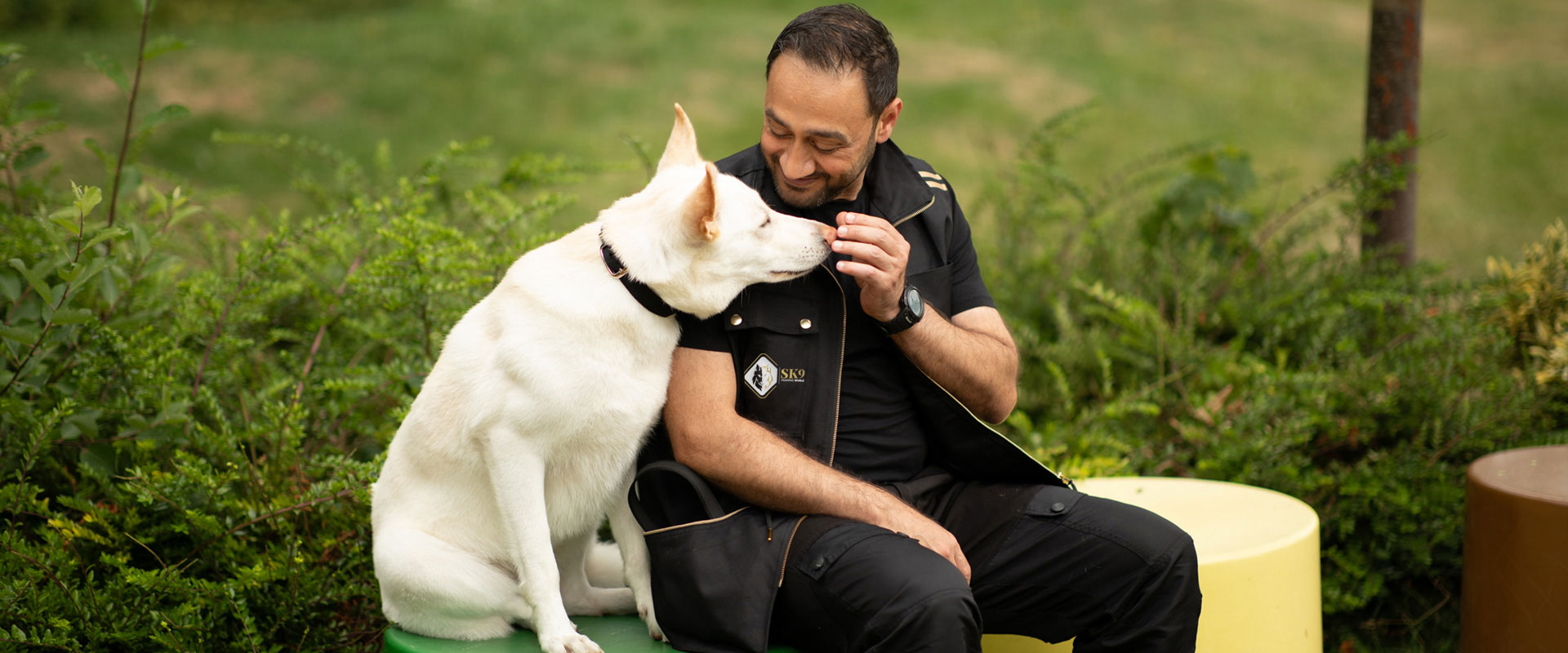
"My dog is quite nervous of men but Mac had her literally eating out of his hand within a few minutes. He is a great teacher and gave me some very informative pointers and direction with issues I have with my reactive dog. Would definitely recommend."
Benefits of Autism Assistance Dogs
Autism assistance dogs UK programmes offer life-changing support for individuals and families living with autism. These specially trained dogs provide more than companionship, they can reduce anxiety, encourage communication, and improve daily independence. If you're exploring the possibility of an assistance dog for autism, this guide outlines the steps, training requirements, and where to start in Kent and surrounding areas.
Autism aid comes in many forms, and therapy dogs for autism UK continue to demonstrate how effective canine support can be. An autism assistance dog can interrupt repetitive behaviours, offer deep pressure therapy during meltdowns, and create a calming, grounding presence. For parents and carers, these dogs also offer peace of mind, especially in public places or unfamiliar environments. Whether you're seeking a mobile dog trainer for individual guidance or exploring puppy training classes Medway has to offer, the right support begins with a clear understanding of the dog's role.
What is a therapy dog and community assistance dog program for allied health and educational professionals?
Therapy and Community Assistance Dog Programs for Professionals
For allied health and educational professionals, therapy dog and community assistance dog programs offer a transformative approach to client and learner engagement. Unlike traditional support animals that primarily offer comfort through passive presence, these programmes train dogs to actively participate in structured activities tailored to a clinical or educational setting.
This means that rather than simply providing quiet companionship or being available for petting, the dogs engage in specific tasks designed to support therapeutic or educational goals. For example, dogs may assist children with speech and language development, help motivate individuals during occupational therapy exercises, or encourage positive social interactions in a classroom environment.
Professionals, such as therapists, teachers, and counsellors, can train their own dogs to become effective partners in their daily work, making sessions more interactive and impactful. These community assistance and therapy dogs learn to foster engagement, promote calm, and support the overall development of those they assist, ensuring tailored support that goes beyond traditional animal-assisted activities.
Expert Dog Training Near Me – Kent Dog Training Specialists
If you're searching for dog training near me in Kent, look no further. Our Kent dog training services are delivered by experienced and professional dog trainers Kent residents rely on. Whether you want in home dog training near me or prefer structured dog training classes near me, we offer flexible options to suit your lifestyle and your dog's needs. Our training covers everything from basic commands to advanced skills, ensuring your dog receives the best care and attention.
How does the program enable professionals to train their own dog for use in the workplace with clients or learners?
Workplace Therapy Dog Training for Professionals
For allied health and education professionals interested in integrating a dog into their work with clients or learners, a structured assistance dog program makes all the difference. Rather than simply having a friendly dog present, these programs are designed to train your own dog for purposeful engagement, going far beyond basic pet therapy.
The process is typically divided into progressive levels, each building important skills for both handlers and their dogs:
- Foundation Stage: Training starts with essential obedience and behaviour shaping, helping your dog become calm, confident, and emotionally well-regulated. You\'ll learn to read your dog\'s cues and understand their welfare needs through structured resources and practical exercises.
- Therapy Preparation: Once the basics are mastered, the program guides you through adapting your work environment for a therapy dog. This includes hands-on assignments about risk assessment, gaining consent, and introducing your dog to your setting safely. You and your dog will practice specific therapy activities tailored for client or learner engagement.
- Community Integration: For those aiming to take their dog\'s skills further, advanced training prepares the team for supporting individuals with disabilities in a broader range of settings, including public spaces that may not usually allow pets. This level includes both online and in-person learning, culminating in an assessment to ensure your dog can confidently assist in community environments.
Each step is backed by flexible, evidence-based learning, often blending online modules, guided assignments, and practical demonstrations. Whether you’re based in Kent, London, or elsewhere, choosing an accredited, step-by-step program can equip you and your dog to deliver professional, meaningful support in your workplace.
How to Qualify for an Autism Dog
To qualify for an assistance dog for autism, many families work with established organisations and charities that specialise in autism assistance dog training. These charities assess each case carefully to ensure suitability and commitment.
Which professionals and organizations are eligible to apply for the program?
Who Can Apply: Professional and Organisational Eligibility
Eligibility for autism assistance dog programmes extends to professionals and organisations that prioritise neurodiversity-affirming approaches. This includes occupational therapists, physiotherapists, speech and language therapists, and education professionals who provide direct, in-person support to children and young people with additional needs.
Applicants should be working individually or leading small groups (up to 15 individuals) and engaged with those facing social deprivation, health challenges, disabilities, or social and emotional needs. It's important to note that our programme does not accept any applicants or organisations using applied behaviour analysis (ABA therapy) or its variations, such as positive behavioural support (PBS). Emphasis is placed on person-centred, strengths-based practices that foster acceptance and support neurodivergent individuals in meaningful ways.
What are the professional and organizational eligibility criteria for handlers?
Professional and Organisational Eligibility Criteria for Handlers
Eligibility for handlers and organisations interested in autism assistance dog training is designed to ensure the highest standards of care and support for neurodivergent individuals. There are several requirements to be aware of before applying:
- Therapeutic Approach: Applicants must follow neurodiversity-affirming practices and should not utilise applied behaviour analysis (ABA), even in adapted forms such as Positive Behaviour Support (PBS).
- Eligible Professionals: The scheme is open to occupational therapists, physiotherapists, speech and language therapists, and educational professionals. To qualify, you must work directly with young people who have additional needs, which may include health or developmental disabilities, social or emotional challenges, or social deprivation.
- Type of Interaction: Support can be provided one-to-one or within small groups of up to 15 individuals.
These eligibility requirements ensure that assistance dog training is both ethical and tailored to the diverse needs of those you support.
What is the step-by-step application process for joining the program?
Step-by-Step Application Process for Autism Assistance Dog Program
If you’re ready to explore how an autism assistance dog can make a difference, the application process is straightforward and designed to support you from the very first step.
- Complete the Application Form:
Begin by filling out a written application form sharing some details about your family, your needs, and what you’re hoping to achieve with an assistance dog. You can typically choose between a Word document or PDF format, depending on what’s easiest for you. - Submit Your Application:
Once your form is complete and signed, you’ll need to submit it to the designated intake location, usually via a secure online portal or drop box link provided by the program. - Review and Response:
After your application is submitted, the team will carefully review your information to assess suitability and ensure the best possible match. You’ll receive a response by email, usually within a couple of weeks. If you haven’t heard back after that time, don’t hesitate to follow up by email to check on your application’s progress.
This simple, supportive process helps ensure that each family receives personalised guidance right from the start.
In addition to therapy dogs for autism UK charities, SK9 Training World also supports families in Kent looking for local assistance dog trainers near me who understand neurodivergent needs and daily life challenges.
Our trainers are experienced in working with both young children and adults. Some clients come from educational institutions or local areas such as Kent Life or even work with personal trainers Folkestone-based to coordinate therapeutic efforts. Our goal is to provide tailored autism aid with proven methods and compassionate care.
How should applicants submit their application forms, and what happens after submission?
How to Submit Your Application and What to Expect Next
Applying for an autism assistance dog in Kent is a straightforward process designed to ensure the best fit for both you and the dog. Here’s how to get started:
- Download and Complete the Application Form
Begin by downloading the application form, available in both Word and PDF formats for your convenience. This form gives us a clear picture of your individual needs and circumstances. - Submit Your Application Securely
Once you’ve filled in and signed the form, submit your completed application online. We use a secure upload link to protect your information, making it easy and confidential to send us your documents directly from your computer or device. - Review and Response
After you’ve submitted your application, our team carefully reviews each submission to assess suitability and next steps. You’ll receive an email letting you know the outcome. If you haven’t heard from us within two weeks, we encourage you to reach out by email to check your application status or ask any questions you may have.
By following these simple steps, you’ll be well on your way to accessing expert support and the potential life-changing benefits of an autism assistance dog.
What health, vaccination, and insurance requirements must dogs meet to participate?
Health, Vaccination, and Insurance Requirements
Before enrolling your dog in any autism assistance dog training programme, there are some essential health and insurance requirements to keep in mind.
First, your dog should be up to date with all standard vaccinations as recommended by your veterinarian. If you’re hoping to train for scent-related tasks, discuss with your vet whether the kennel cough vaccine is needed, as sometimes it may be optional for these roles. Regular flea and worm treatments, using products approved by your vet, are also a must to keep your dog healthy and protect other dogs in training sessions.
Insurance is another important consideration. Your dog must be covered by a policy that includes public liability, the typical pet insurance often won't provide enough coverage once your dog moves onto therapy or community assistance roles. When progressing to advanced training or participating in community programmes, make sure the policy specifically covers assistance or therapy work. In some cases, your own business or professional insurance may be able to extend this protection, so it’s worth checking with your provider.
What are the disqualifying behaviors or conditions for dogs applying to the program?
Disqualifying Behaviours and Conditions
Before applying, it’s important to understand which factors may prevent a dog from being accepted into autism assistance dog training. Not every dog is suited to the demanding work required, and certain behavioural or health issues can make participation unsafe or ineffective.
Dogs may not qualify if they:
- React by barking or lunging at other dogs or people while on the lead.
- Continue to have toileting accidents indoors beyond the puppy stage.
- Exhibit any signs of aggression, whether towards humans or other animals.
- Display severe anxiety, profound fears, or struggle significantly in unfamiliar environments.
- Show repetitive or compulsive behaviours such as spinning or excessive licking, which can interfere with training and daily tasks.
- Are on a raw food diet, as consistent nutrition and food safety are essential requirements of the programme.
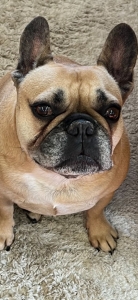
- Belong to bracycephalic breeds (those with notably short noses like pedigree pugs, French bulldogs, Shar Peis, or Shih Tzus), since these breeds face higher risks of breathing and heart issues. Exceptions can sometimes be made for crossbreeds where a longer-nosed parent improves respiratory health.
- Are currently being used as assistance or therapy dogs in other organisations, unless the intended dual role remains compatible with their autism support training.
Making sure your dog is a good fit not only streamlines the application process, but also helps ensure that each assistance dog is ready to provide the consistent and reliable support needed.
Are there any specific practices or therapies that disqualify an organization or handler from participating?
Practices That May Disqualify Applicants
When considering autism assistance dog training, there are a few important criteria that could affect your eligibility. Organisations or handlers who incorporate applied behaviour analysis (ABA therapy) or similar models, such as Positive Behaviour Support (PBS), are not eligible to participate in certain autism dog programmes. This is because our philosophy aligns with neurodiversity-affirming approaches, placing emphasis on acceptance and support rather than attempts to alter natural autistic behaviours.
Applicants, whether individuals or representatives of schools, charities, or groups, must commit to compassionate, person-centred care throughout the training and daily management of the assistance dog. This ensures that both the individual and the dog thrive in an environment built on understanding and mutual respect.
Training Process for Autism Dogs
Autism service dog training typically spans 6 to 12 months and requires regular reinforcement at home. Our professional trainers apply methods similar to those used in police dog training methods—but modified for sensory-sensitive environments. This includes impulse control, scent work, autism bite protection, and grounding techniques. The key difference between a pet and a fully trained autism assistance dog lies in the reliability of responses during stressful events and the handler's ability to manage the dog confidently in public.
SK9 Training World also offers private dog trainer near me services for families needing focused sessions. Our dog behaviourist training can also support behavioural issues alongside the autism support work. This is particularly helpful for families who have tried standard boot camp dog training or dog training groups near me but found they need more specialised, autism-aware guidance.
At SK9 Training World, we understand that no two cases are the same. Our dog behaviorist training focuses on both the emotional needs of the individual and the unique personality of the dog, ensuring calm, confident handling even in high-stress situations. For families actively training dogs near me in Kent and South London, our autism service dog programmes deliver highly personalised solutions that go beyond basic obedience and focus on life-enhancing support.
| Feature | SK9 Training World | Typical Training |
|---|---|---|
| Training Approach | Autism-Specific Methods | Generic Assistance Dog Training |
| Environment | Home & Real-world | Classroom only |
| Follow-up Support | Advance Booking Required | Limited |
| Success Rate | 95% completion | 70-80% completion |
What are the stages or levels of the therapy and community assistance dog training program?
Therapy and Community Assistance Dog Training Levels
At SK9 Training World, we recognise that preparing a dog for therapy or community assistance work involves progressive learning, building skills at each step. Our structured training journey moves through three distinct levels, each designed to nurture confidence, resilience, and task capability.
Bronze Level: Foundations for Future Success
Every aspiring therapy or community assistance dog begins here, laying down the groundwork. This initial stage covers:
- Fundamental obedience training, ensuring your dog responds reliably to everyday cues.
- Addressing and reducing mild unwanted habits, like jumping up or overexcitement.
- Focusing on emotional regulation, helping your dog remain calm and collected, even with distractions.
- Owner education modules, where you'll learn to recognise your dog's signals and support their well-being both at home and on the go.
This foundational phase sets expectations and readies both dog and handler for more advanced work in supportive settings, though dogs aren’t introduced to work environments just yet.
Silver Level: Transition to Therapy Dog Status
With the basics securely in place, the next goal is to support your dog's transition from a well-mannered companion to therapy dog status. This phase emphasises:
- Advanced handler guidance, everything from reviewing risk management to navigating consent and preparing safe, inclusive environments.
- Joint skill-building, where both handlers and dogs learn to facilitate canine-assisted activities that offer meaningful engagement and emotional benefit to others.
- Practical assessments requiring demonstration of several core therapy dog activities, ensuring real-world readiness before full therapy partnership recognition.
By the end of this level, teams are equipped to work together as official therapy dog partnerships in schools, care facilities, and community organisations.
Gold Level: Community Assistance Mastery
For partnerships wishing to go further, the gold level prepares teams for public access duties and specialised assistance work. Here, dogs learn to:
- Master assistive tasks tailored to mitigate the daily challenges faced by their handlers, even in busy environments like cafés, transport, or high street shops.
- Extend obedience and focus commands for navigating diverse community spaces, with an emphasis on providing a steady presence in places where pet dogs usually aren't allowed.
- Access structured group learning (often via digital platforms) alongside in-person evaluations to confirm suitability and skill level.
Successful completion of the gold stage marks teams as fully qualified community assistance dog partnerships, ready to offer vital support wherever needed.
Advancing to Community Assistance Dog Status: The Gold Award
What additional training and assessment are included in the Gold award for community assistance dog status?
For those seeking to progress from therapy dog roles to full community assistance dog status, the Gold Award is the next step. This advanced programme is tailored for dog-handler partnerships aiming to navigate public environments with confidence, think shops, cafés, and businesses where pet dogs aren’t ordinarily permitted.
The Gold Award includes a comprehensive blend of group learning, skills practice, and real-world application:
- Assistive Task Training: Through interactive group sessions (delivered via online video platforms), participants learn advanced assistive tasks designed to help mitigate the daily challenges clients may face in public settings.
- Public Access & Obedience: The curriculum focuses on both refined obedience and the specific requirements for public access, ensuring dogs are reliable, focused, and ready for real-world distractions.
- Flexible Self-Guided Learning: Handlers have access to a virtual programme with assignments that fit their schedules, supporting steady progress at a personalised pace.
To complete the Gold Award, a face-to-face assessment is required, allowing an experienced assessor to evaluate the dog and handler together in a public space. Successful completion designates the team as fully trained and ready for community access support, equipped with the skills needed to thrive in busy environments.
Costs & Funding Options
The cost of autism assistance dogs can vary, depending on training length and provider. Some families choose a private route, using a mobile dog trainer or private sessions, while others pursue funding. Options include charity grants, local authority support, or community fundraising.
What are the costs associated with the community assistance dog program at various organizational sizes and types?
Community Assistance Dog Program: Organisational Costs
For organisations interested in community assistance dog programs, the investment varies depending on the size and type of your group. Here’s a quick guide to help you understand the fee structure:
- Small non-profit organisations (10 employees or fewer): Budget approximately £450 for a programme that sees your dog trained up to gold award level.
- Small for-profit businesses (10 employees or fewer), or medium-sized non-profits (11–50 employees): Expect costs in the region of £700.
- Larger bodies (for-profit organisations with 11+ employees or non-profits with 51+ on staff): Pricing typically rises to £1,200.
- Non-profit schools: These institutions usually receive a reduced rate, with fees set at around £1,100.
- Independent (private) schools: The programme cost is higher here, averaging £1,750.
These figures ensure transparency and allow each organisation, whether a small charity, a busy local school, or a larger enterprise, to plan appropriately for their unique circumstances. All packages cover comprehensive training up to the gold standard, matched to your team’s specific needs and learning environment.
We encourage clients to enquire about our kent price packages and explore assistance from organisations that support autism-related needs.
For those considering long-term protection training, we also provide advice on trained protection dogs UK, including autism-safe applications. Our dog therapist near me professionals help determine whether your child or adult loved one is a good candidate for a service dog and guide you through each step of the process. Locations such as Romford Kent and London are fully supported via our london dog behaviourist network.
Whether you're looking for puppy training near me or full dog training in my area, SK9 Training World brings compassionate expertise, certified training methods, and a genuine understanding of your family's needs.
What is included in the program fees, and what is not included?
What Is and Isn't Included in Program Fees?
Our program fees cover a comprehensive blend of support and resources designed to set you and your dog up for success. This includes participation in our therapy and community assistance dog programme, access to both group Zoom training sessions and self-paced online resources, structured assessments, helpful templates for training activities, three individual one-to-one sessions every month, and your dog’s working uniform.
Please note, fees do not extend to supplies for daily canine-assisted activities, though most families already have many of these common items at home, and any extras can usually be sourced at minimal cost. Any branded or specialised training equipment, such as settle mats or handler uniforms, is optional and may be hired or purchased separately if desired. We aim to keep additional expenses transparent, so you can make informed choices that fit your family’s needs and budget.
Charging Fees for Therapy Dog Sessions
Are there any restrictions on charging fees for therapy dog sessions?
When it comes to therapy dog or community assistance dog sessions, there are important guidelines around fees that both protect families and ensure transparency. If you are a professional, such as an occupational therapist or educator, using a therapy dog as part of your services, you cannot add an extra charge specifically for the dog’s involvement. For instance, you can’t offer a standard session at £45 per hour and then charge £55 per hour just because your therapy dog is present.
However, you do have the option to review and adjust your overall service fees to reflect the ongoing costs of maintaining a therapy or assistance dog, such as training, care, and insurance. The key point is that clients should not see a “dog surcharge” on their bills, but rather a fair, transparent fee structure that considers the holistic value and additional support provided within your practice.
If you have questions about best practice or wish to ensure your fee structure complies with guidance from leading UK autism and therapy organizations, our team is happy to assist.
Frequently Asked Questions – Autism Assistance Dogs
What tasks can autism assistance dogs perform?
Autism assistance dogs can perform various tasks including interrupting repetitive behaviors, providing deep pressure therapy during meltdowns, preventing wandering, and acting as a social bridge to help with communication challenges.
How long does it take to train an autism assistance dog?
Training typically takes between 6-12 months, depending on the specific needs of the individual and the dog's learning pace. Ongoing reinforcement and family training are also required.
Can any dog become an autism assistance dog?
Not all dogs are suitable. Ideal candidates have calm temperaments, are highly trainable, and enjoy human interaction. Breeds like Labradors, Golden Retrievers, and some crosses are often chosen for their temperament and size.
Eligibility & Suitability Guidelines
While temperament and trainability are essential, there are key requirements to consider before starting assistance dog training:
Behaviour
Dogs should not bark at other dogs or people when on lead, show any aggression, or display severe anxiety or fear. They also need to be free from repetitive stereotypic behaviours (such as spinning or compulsive licking).
House Training
The dog must be fully house-trained with no toileting accidents indoors.
Breed Restrictions
Dogs from brachycephalic breeds (very short-nosed, like pedigree pugs, French bulldogs, Shar Peis, and Shih Tzus) are generally unsuitable due to potential breathing and heart issues. Crossbreeds with longer noses may be considered.
Health
Your dog must be fully vaccinated (kennel cough vaccine is optional for scent-based tasks), and kept up-to-date on flea and worm treatments as recommended by your vet.
Insurance
Public liability insurance is required, and it should specifically cover your dog in its service role.
Single Role Commitment
The dog should not be working in another assistance or therapy role simultaneously.
Meeting these standards helps ensure not only the safety and wellbeing of both the dog and handler, but also the successful completion of a specialised autism assistance training programme.
What's the difference between a therapy dog and an autism assistance dog?
Therapy dogs provide comfort in various settings but aren't task-trained for specific disabilities. Autism assistance dogs are specially trained to perform tasks that mitigate their handler's disability and have public access rights.
Unlike therapy dogs, which often offer emotional support through presence and affection, perhaps visiting hospitals or schools for a bit of comfort, autism assistance dogs go beyond simply being there to be stroked or read to. These assistance dogs undergo specialist training in canine-assisted activities designed specifically for engagement with their handlers. For example, they might learn to interrupt repetitive behaviors, provide deep pressure during meltdowns, or serve as a calming presence during overwhelming situations. This focus on active engagement ensures that the dog can respond to the unique needs of a person with autism, rather than simply offering passive companionship.
Are there age restrictions for autism assistance dog handlers?
While there's no strict age limit, most organisations recommend children be at least 5 years old to benefit from an assistance dog. Adult supervision is typically required for younger children.
Ready to Explore Autism Assistance Dogs?
Our Kent-based trainers have successfully placed over 50 autism assistance dogs with families across the South East.
Book Your Consultation Now95%
Success rate
50+
Autism assistance dogs placed
87
5-star reviews from clients