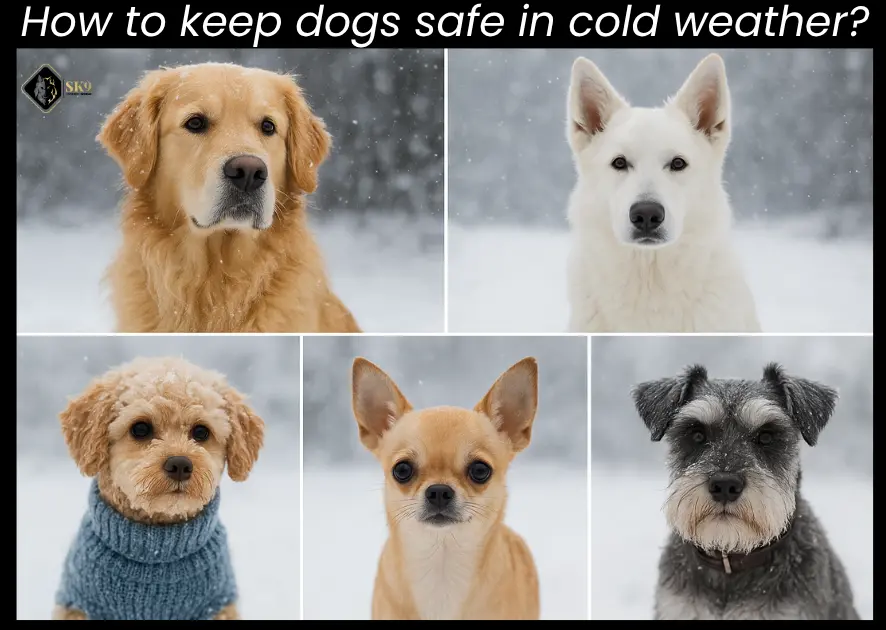
Luxury guide for keeping dogs safe in snow, rain, thunderstorms, and freezing temperatures. Includes expert advice from our UK-based residential dog trainers, private one-to-one programmes, and assistance dog training specialists.
Winter brings unique challenges for dogs. From icy paws to chilly noses, caring for your dog in cold weather is essential. Our tips integrate insights from residential dog training in Kent, private dog training sessions, and assistance dog training programmes, ensuring safety for all dogs, including autism support dogs and anxiety support dogs.
Winter Weather in the UK: Keeping Your Dog Safe and Comfortable
Winter in the UK brings crisp mornings, icy pavements, sudden storms, and long dark nights. While humans can layer up, dogs face real risks including hypothermia, frostbite, cracked paws, and stress-related behavioural changes. Puppies, small breeds, elderly dogs, and working dogs such as autism assistance or protection dogs need extra care to stay safe, confident, and calm during colder months.
Practical Winter Care Tips for Dogs
- Protect paws: Use dog booties or paw balms to prevent cracking and ice burn.
- Limit exposure: Shorten walks in extreme cold and provide warm, dry shelter at home.
- Layer up: Consider dog coats for small or thin-coated breeds.
- Monitor behaviour: Watch for shivering, reluctance to walk, or signs of stress.
- Stay active safely: Engage in indoor training or games to maintain exercise levels.
At SK9 Training World, we provide residential dog training UK, one-to-one luxury programmes, and behaviour modification to help dogs adapt confidently to winter weather. Our tailored programmes ensure your dog stays safe, happy, and well-behaved all year round.
Understanding Cold Weather Risks for Dogs
Dogs can experience stress and health risks in cold weather, especially vulnerable breeds. Paw pads and noses are sensitive to ice, salt, and frostbite. Owners should watch for signs of hypothermia or frostbite, particularly in assistance dogs supporting people with autism.
Cold affects dogs differently depending on breed, age, coat type, training, and overall health. Even strong working dogs, such as Golden Retrievers or white German Shepherds, benefit from structured winter routines to stay safe and healthy.
Health Concerns for Dogs in Winter
During cold weather, dogs can experience several health risks. Owners should watch for signs and take precautions:
- Hypothermia: Dangerously low body temperature causing lethargy, weakness, or confusion.
- Frostbite: Extremities like paws, ears, and tails are vulnerable; pale or blue skin is a warning sign.
- Dry, cracked noses due to cold air exposure.
- Stress-induced reactivity or aggression in sensitive dogs.
- Exposure to road salt, chemicals, grit, and ice-melt toxins.
- Dehydration: Dogs may drink less in winter, increasing risk of health issues.
- Ingestion of toxic substances such as antifreeze or other chemicals.
Breeds Most at Risk
Smaller dogs, short-haired breeds, and puppies attending training classes often need extra protection in cold or rough conditions. Coats, booties, and paw care can help keep them safe and comfortable. Even larger breeds benefit from paw and nose protection.
- Small breeds: Chihuahua, Miniature Schnauzer, Cavapoo.
- Puppies in training classes: Orpington and South London classes.
- Short-coated/lean breeds: Whippets, Greyhounds, Staffies.
- Assistance & support dogs: Autism assistance dogs, anxiety support dogs.
Preparing Your Dog for Winter Outdoors
Winter Clothing & Paw Protection
Keep your dog warm and safe with insulated coats, waterproof materials, and reflective strips. Protect sensitive paws with paw wax or boots, and use nose balms to prevent dryness or irritation. For nervous or sensitive dogs, professional one-to-one dog training can help your pet get used to winter gear comfortably.
Protective winter gear is especially important for vulnerable breeds. Recommended items include:
- Insulated, waterproof coats
- Reflective strips for dark-season visibility
- Waterproof boots for sensitive paw pads
- Paw wax to prevent cracks and ice burn
- Nose balm for dryness
Private dog training sessions can help acclimate your dog to winter clothing and gear without stress.
Safe Exercise Routines
Adjust your dog's walks to shorter, more frequent sessions during winter. Avoid icy paths and salted areas. Residential dog training programmes in the UK, including board-and-train options, provide structured routines to keep dogs active safely both indoors and outdoors.
- Short, frequent walks to prevent hypothermia.
- Avoid icy, salted, or flooded areas for safety.
- Take walks during daylight for better visibility and warmer temperatures.
- Residential training programmes provide controlled exercise environments during extreme weather.
Monitoring Outdoor Time
Limit outdoor exposure for puppies, elderly dogs, and assistance dogs. Watch for signs such as shivering, paw lifting, or reluctance to move. A professional dog trainer can provide guidance tailored to your dog's needs.
Vulnerable dogs require close supervision. Watch for:
- Paw lifting, shivering, reluctance to walk
- Whining, low energy, or stiffness
- Signs of stress-induced aggression
Professional dog trainers can help set safe outdoor exposure limits based on your dog's age, health, and activity level.
Outdoor Time Reference Table
| Conditions | Safe Outdoor Time | Notes |
|---|---|---|
| Snow + Freezing Wind | 10–20 minutes | Small dogs even less |
| Heavy Rain | 15–25 minutes | Wet coats reduce body temp quickly |
| Thunderstorm | Avoid | Switch to indoor enrichment |
| Light Drizzle | 20–30 minutes | Coat recommended |
| Dry Winter Day | 30 minutes | Monitor for cold stress |
Protecting Your Dog’s Paws and Nose
Proper paw and nose care is essential to prevent dryness, cracks, irritation, and infections, especially during winter or in urban environments with salt and chemicals. Dogs involved in therapy or autism support programmes may require additional sensory care routines to ensure comfort and safety.
Follow these simple steps to keep your dog’s paws and nose healthy:
- Apply paw wax: Protect your dog’s pads from dryness and cracking before walks.
- Use dog boots: Essential during snow, ice, or salted pavements to prevent injuries.
- Rinse and dry paws: After walks, remove salt, dirt, and debris to avoid irritation.
- Moisturise the nose: Use vet-approved nose balm and maintain a humid indoor environment to prevent dryness.
- Daily checks: Examine paws for cracks, soreness, or irritation and trim fur around pads as needed.
Dogs participating in therapy or autism support programmes benefit from consistent sensory care routines, which help maintain paw and nose comfort while enhancing their engagement and safety.
Note: Always consult your veterinarian for specific medical concerns regarding your dog’s paws or nose.
Indoor Enrichment Activities for Dogs on Stormy or Harsh Days
Even when the weather turns rainy, snowy, or stormy, your dog still needs mental stimulation and physical exercise. These indoor activities are perfect for keeping dogs engaged, happy, and well-behaved:
- Scent games and puzzle toys: Challenge your dog’s mind and keep them entertained while indoors.
- Indoor obedience routines: Reinforce commands, improve focus, and strengthen your bond in a calm setting.
- Treadmill sessions: Ideal for energetic dogs to burn off excess energy safely inside.
- Structured play and impulse-control exercises: Teach patience and good behaviour while keeping your dog active.
- Calm training for protection and working dogs: Storms can be stressful; indoor training routines help maintain discipline and focus.
For more tips on keeping your dog active indoors, check out our indoor dog training guide.
Winter Benefits of Residential and One-to-One Training
Dog residential training near me and private dog training offer controlled environments where dogs learn obedience and winter safety. Balanced dog training UK ensures dogs remain calm despite cold stress. Programs include protection dog training and guard dog training UK as needed.
Sign up for a dog trainer course or dog behaviourist course to understand winter behaviour management professionally.
Luxury training environments provide:
- Controlled indoor/outdoor sessions.
- Calm spaces for reactive dogs.
- Winter-appropriate obedience routines.
- Confidence building and storm desensitisation.
- Professional behaviour analysis and structured winter care.
Special Care for Assistance & Autism Support Dogs
Assistance dogs for autism UK and autism assistance dogs need careful attention during the winter months. Proper assistance dog training near me ensures they stay healthy and comfortable in colder weather. Anxiety support dogs UK may also benefit from extra indoor breaks and warm bedding to keep them calm and safe.
Helpful resources, such as dogs for autism UK and autism assistance dogs for adults, provide further guidance on caring for these special dogs.
Regardless of the season, these dogs thrive with structured routines, including:
- Warm and comfortable resting areas.
- Storm-noise desensitisation to reduce stress.
- Safe, winter-appropriate outdoor access.
- Supervised short walks and controlled exercise.
- Professional advice from dogs for autism UK organisations and experienced behaviour specialists.
Puppy Cold Weather Training
Helping your puppy adapt to cold weather is essential for their comfort and safety. In Orpington and South London, puppy training classes focus on gradually introducing young dogs to winter conditions, including coats, boots, and outdoor play. Professional dog training courses can guide owners on safe and effective winter routines.
- Start with short outdoor sessions and slowly increase duration as your puppy adjusts.
- Practice recall and basic obedience indoors before moving outside.
- Introduce puppies gently to rain, wind, and storm sounds to reduce anxiety.
- Join structured puppy training programs in Orpington and South London to keep your pup active and confident during colder months.
Winter Training for Working Dogs
Programs such as dog protection training in London and Kent police training teach obedience and resilience in cold conditions. Security dog training and protection dog training ensure that working dogs remain confident and capable during winter months.
Frequently Asked Questions
How can I protect my dog's paws in winter?
Use booties or paw wax, check paws after walks, and avoid chemicals like salt to prevent frostbite.
Do you offer private dog training for winter care?
Yes, we provide one-to-one dog training near me, private dog training, and residential dog training UK for safe winter routines.
Are assistance dogs safe in cold weather?
Assistance dogs for autism UK, autism assistance dogs, and anxiety support dogs UK should have supervised outdoor time and warm indoor spaces.
How long should dogs stay outside in freezing weather?
Outdoor time should be shorter in freezing wind, snow, heavy rain, or storms. Always monitor your dog for cold stress and adapt their routine to the conditions.
What are the signs that my dog is too cold?
Common signs include shivering, paw lifting, reluctance to move, whining, stiffness, low energy, and unusual stress behaviours.
Professional Dogs Prepared for Winter
Elite working dogs, including police, security, and protection dogs, benefit from specialised winter training that includes:
- Surface awareness and safe movement on ice.
- Controlled exposure to harsh weather conditions.
- Scent and tracking exercises during rain and snow.
- Strength, endurance, and agility training in winter environments.
- Residential and board-and-train programmes that build winter resilience.
Whether you are looking for professional dog trainers near me, dog residential training near me, or one-to-one dog training near me, SK9 Training World provides expert guidance to keep your dog safe, healthy, and well-prepared this winter.